Tokyo Food Guide: Eat Like a Local in the World's Greatest Food City
Plan your trip to Tokyo
What to Eat in Tokyo
Tokyo has more Michelin stars than Paris, London, and New York combined — but the best food here isn't always in white-tablecloth restaurants. It's in the ramen shop where you order from a machine, the standing sushi counter at 6 AM after the fish market, the yakitori joint where smoke fills the air and beer flows freely. Tokyo's food scene operates on two tracks: the obsessive, perfectionist craft of high-end cuisine, and the democratic, affordable brilliance of everyday eating. You can spend $300 on a kaiseki meal or $8 on a bowl of ramen that changes your life. This guide covers both.
Ramen: The National Obsession
Tokyo has over 10,000 ramen shops, and the locals debate broth styles with religious intensity.
- Ichiran (multiple) — tonkotsu (pork bone) broth, solo dining booths, customisable intensity. About ¥980. Tourist-famous but genuinely excellent.
- Afuri (multiple) — yuzu shio ramen, lighter and brighter than tonkotsu. Perfect after a heavy night.
- Menya Sou (Shinjuku) — tsukemen (dipping ramen), rich fish-and-pork broth. Long lines, worth it.
- Jiro Ramen (multiple) — the legendary "Jiro style": huge portions, mountains of garlic and bean sprouts. Not for beginners.
- Ramen Street in Tokyo Station — eight shops under one roof. Convenient, varied, surprisingly good.
Order from the vending machine, hand the ticket to staff, and eat quickly. Ramen is fast food in Japan. Don't linger.
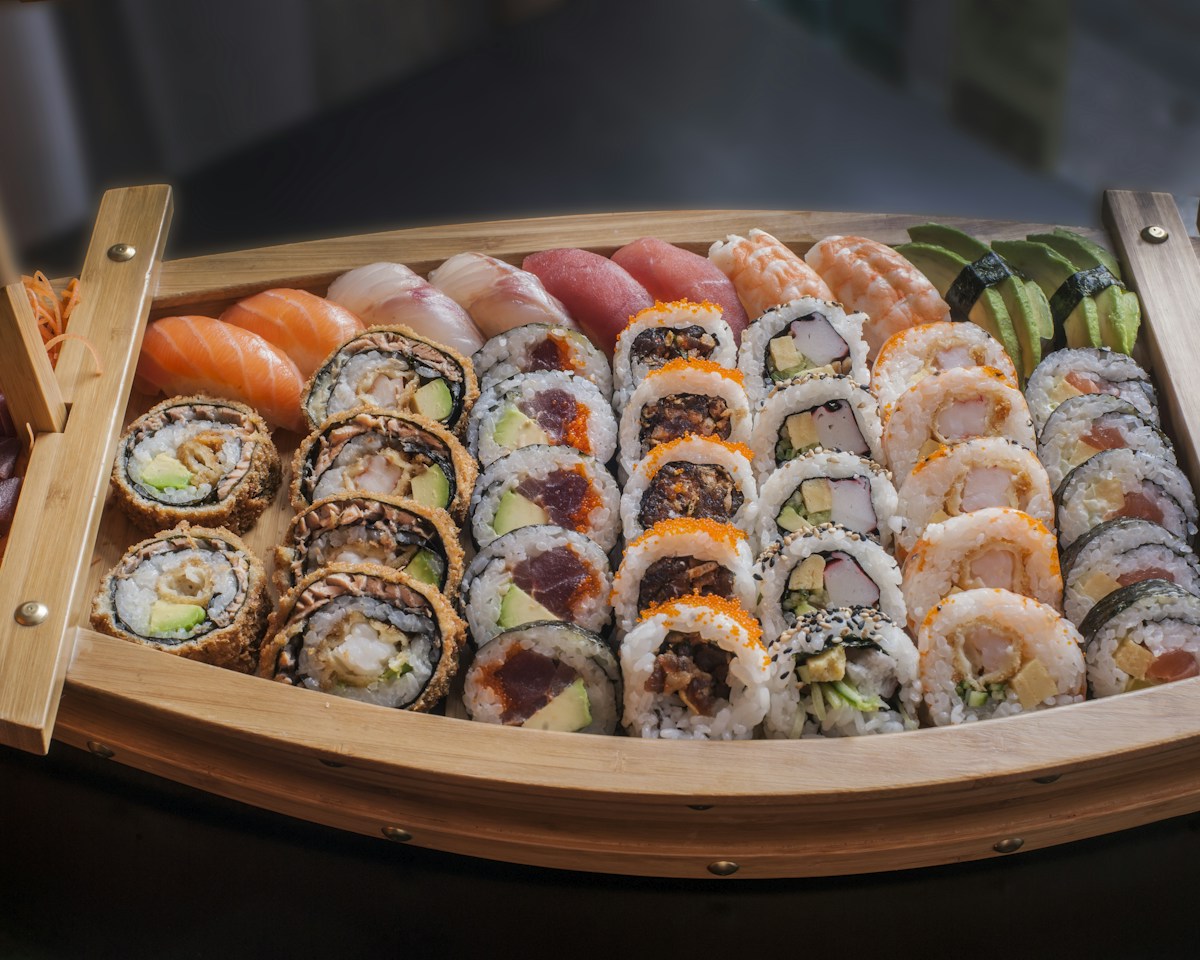
Sushi: Beyond Jiro
You don't need ¥40,000 for world-class sushi. You need ¥3,000 and an early morning.
- Sushi Zanmai (Tsukiji/Toyosu) — open 24 hours, fresh from the market, excellent value. Conveyor belt quality at counter prices.
- Daiwa Sushi (Toyosu) — the legendary queue spot, now less chaotic after the market moved. Still incredible. Get there before 7 AM.
- Uoriki (multiple) — mid-range, reliable, great for beginners who want to try everything.
- Standing sushi bars (Shinjuku/Shibuya) — ¥100–200 per piece, eat standing, drink beer. Fast, fun, shockingly good.
- Kappo sushi (neighbourhood spots) — ask your hotel for local recommendations. Often better than famous names.
Seasonal fish changes by the month. Ask "osusume" (recommendation) and let the chef choose. Trust them.
Izakaya: Where the Real Eating Happens
Izakaya are Japan's pubs — loud, smoky, communal, and where salarymen go to decompress after work. The food is shareable, varied, and consistently excellent.
- Torikizoku (multiple) — everything is ¥370. Yakitori, fried chicken, edamame, beer. The ultimate budget izakaya.
- Watami / Tengu (chains) — reliable, English menus, consistent quality. Good entry points.
- Ebisu Yokocho (Ebisu) — indoor alley of tiny stalls. Pick a spot, order a mix, soak in the chaos.
- Memory Lane (Omoide Yokocho, Shinjuku) — yakitori in alleyways so narrow you can touch both walls. Touristy but atmospheric.
- Local neighbourhood izakaya — walk 10 minutes from any tourist spot, look for red lanterns and noren curtains. Point at what others are eating.
Order a mix: yakitori skewers, karaage (fried chicken), agedashi tofu, gyoza, edamame. Drink beer, then sake, then shochu. This is the Tokyo eating experience.
Street Food & Markets
Tokyo's street food scene is more structured than Bangkok but no less delicious.
- Ameya-Yokocho (Ueno) — stalls selling takoyaki, yakitori, taiyaki, and fresh juice. Loud, crowded, perfect.
- Tsukiji Outer Market — the wholesale market moved to Toyosu, but the outer market remains a street food paradise. Tamago-yaki (sweet egg), fresh uni, matcha ice cream.
- Nakamise Street (Asakusa) — touristy but historic. Try ningyo-yaki (doll-shaped cakes) and kibi-dango (millet dumplings).
- Depachika (department store basements) — Takashimaya, Mitsukoshi, Isetan. Free samples, gorgeous displays, bento boxes for picnics.
- Konbini (7-Eleven, Lawson, FamilyMart) — don't laugh. The egg salad sandwiches, onigiri, and fried chicken are genuinely excellent.
Food festivals happen every weekend somewhere in the city. Check local listings or just follow the smoke.
Fine Dining & Special Occasions
If you're splurging, Tokyo delivers.
- Kaiseki (traditional multi-course) — try Kikunoi or Ishikawa for ¥20,000–40,000. Book weeks ahead.
- Teppanyaki — steak counters where chefs perform. Misono in Ginza is the original.
- Tempura — Ten-Ichi in Ginza has been perfecting the craft since 1930. Light, crispy, transcendent.
- Unagi (eel) — Obana in Minami-Senju, open since the 1700s. Charcoal-grilled, lacquered with sauce.
- Wagyu — Hitsujiya in Shibuya for lamb and beef. Or splurge at a dedicated yakiniku restaurant.
For a unique experience: Robot Restaurant (Shinjuku) is overpriced tourist spectacle, but the nearby Golden Gai has 200 tiny bars, each seating 5–10 people. Pick one that looks friendly.
Breakfast & Coffee
Japanese breakfast is underrated and under-explored by tourists.
- Tsukiji Outer Market — grilled seafood on sticks, tamago-yaki, and miso soup at 7 AM. The best breakfast in Tokyo.
- Kissaten (traditional coffee shops) — Café de l'Ambre (Ginza) serves coffee aged for decades. No milk, no sugar, just beans and obsession.
- Blue Bottle / Starbucks Reserve — yes, chains, but Japanese locations do excellent seasonal drinks and pastries.
- Komeda's Coffee (multiple) — retro Japanese chain. Morning set: thick toast, egg salad, coffee. ¥500.
- Hotel breakfasts — if your hotel offers Japanese-style, try it. Grilled fish, rice, miso soup, pickles. Clean, balanced, sets you up for a day of eating.
Vending machine coffee (¥130) is surprisingly decent. Useful when you're running to the fish market at 5 AM.
Sweet Treats & Snacks
Japanese desserts are less sweet than Western equivalents and more about texture and presentation.
- Matcha everything — ice cream, parfaits, soufflés, Kit Kats. Nakamura Tokichi in Ginza is the gold standard.
- Taiyaki — fish-shaped cakes filled with red bean paste or custard. Fresh from the iron, street corners everywhere.
- Melon pan — sweet bread with a crunchy sugar crust. Convenience stores sell good ones; bakeries sell great ones.
- Mochi — Daifuku (strawberry inside), sakura mochi (cherry blossom season only), kusa mochi (mugwort).
- Japanese cheesecake — jiggly, fluffy, barely sweet. Uncle Tetsu popularised it, but local shops do it better.
- Wagashi — traditional sweets paired with matcha. Beautiful, subtle, an acquired taste worth acquiring.
Convenience store dessert sections are genuinely excellent. Try the premium lines (Seven Premium, Lawson Uchi Café).
A Final Word
Tokyo rewards curiosity. The best meal of your trip will probably be at a place with no English menu, no Google Maps presence, and a line of locals out the door.
**Learn these phrases**
- "Osusume wa?" (What's recommended?)
- "Kore o kudasai" (This one, please — while pointing)
- "Oishii!" (Delicious!)
Point, smile, eat. Tokyo's food scene isn't exclusive — it's just not always translated. The translation is in the flavour. Trust it.