Top 10 Cities for Digital Nomads in 2026
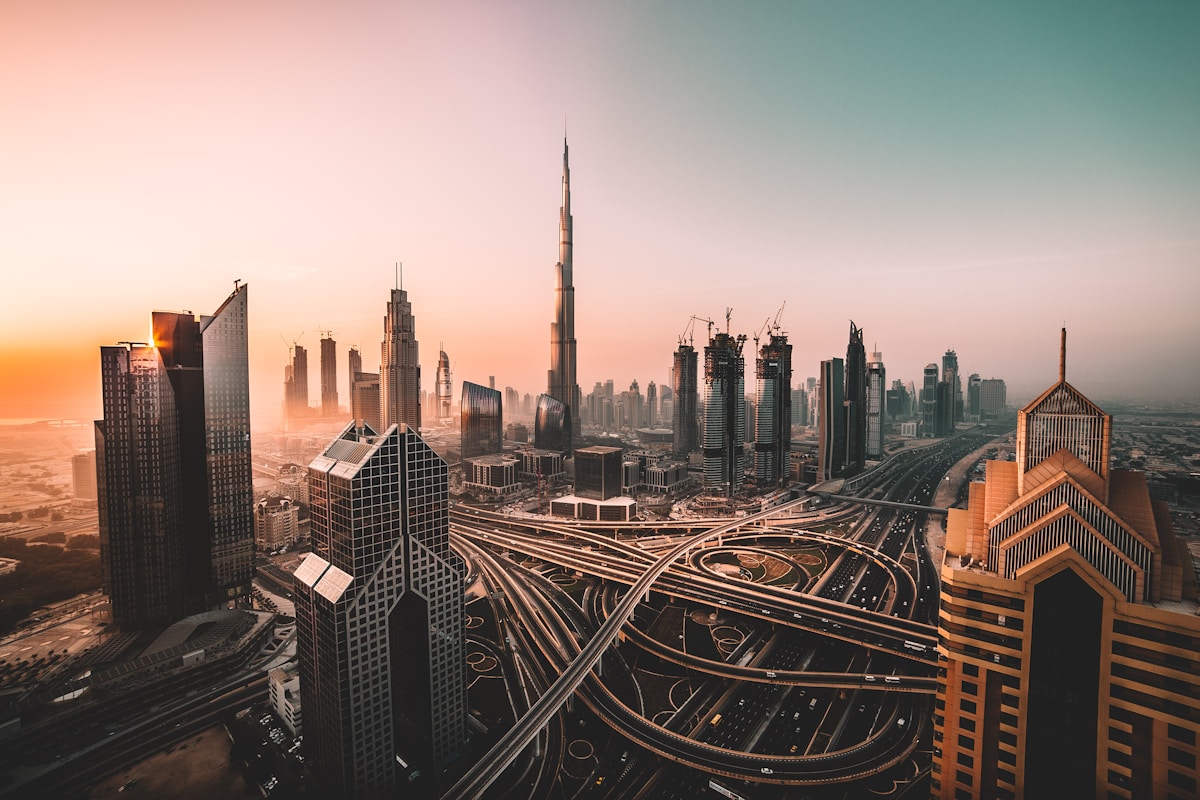
The digital nomad playbook has changed. Post-pandemic visa policies, inflation, and coworking saturation mean the old favorites are not always the best value anymore. These ten cities offer the real trifecta: a legal path to stay, fast and reliable internet, and a cost of living that does not eat your entire salary.
1. Lisbon, Portugal — Europe's most accessible nomad visa + 300+ days of sun
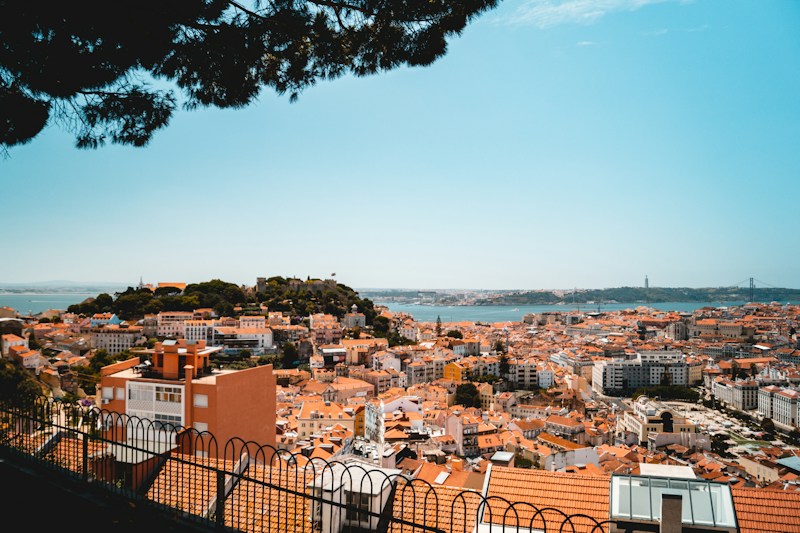
Portugal's D7 Passive Income Visa lets you stay up to two years with proof of ~820 EUR/month income. Lisbon has absorbed the nomad wave and built infrastructure around it.
- D7 visa: 82 EUR application, proof of passive income or remote salary
- Coworking: 80-150 EUR/month at Second Home, LACS, or Heden
- Internet: 100-500 Mbps fiber, 30 EUR/month
- Rent: 700-1,200 EUR for a one-bedroom in central neighborhoods
- Community: Massive — weekly meetups at Time Out Market, LX Factory
The catch? Lisbon's popularity pushed rents up 40% since 2022. You will need to hunt in neighborhoods like Intendente or Marvila for value. But the food, weather, and timezone alignment with US East Coast make it unbeatable.
**Best coworking:** Second Home Lisboa (design-focused, events-heavy), LACS (multiple locations, flexible passes).
Read the Lisbon, Portugal guide
2. Medellin, Colombia — 800 USD/month total cost + eternal spring climate
Colombia's Digital Nomad Visa (DNV) grants up to two years with proof of 684 USD/month income. Medellin delivers the best cost-to-quality ratio in Latin America.
- DNV: 177 USD application, 2-year validity, no local tax on foreign income
- Coworking: 50-80 EUR/month at Selina, AtomHouse, or Global Express
- Internet: 100-300 Mbps, stable in Poblado and Laureles
- Rent: 400-700 EUR for modern one-bedrooms in El Poblado or Laureles
- Community: Huge — Medellin has the highest nomad density in South America
The eternal spring weather (22C / 72F year-round) means no AC costs. The metro system is clean and cheap. Spanish helps but is not mandatory. Safety has improved dramatically — stick to Poblado, Laureles, and Envigado.
**Best neighborhoods:** El Poblado (upscale, social), Laureles (local feel, leafy), Envigado (emerging, cheaper).
Read the Medellin, Colombia guide
3. Bali (Canggu and Ubud), Indonesia — The nomad origin story — still unmatched for community

Indonesia's B211A Visit Visa and the Second Home Visa give nomads legal pathways. Bali is where the digital nomad scene was born, and it still sets the standard.
- Visa: B211A (200 USD, 6 months extendable) or Second Home Visa (if you qualify)
- Coworking: 100-200 EUR/month at Dojo, Outpost, or Kinship
- Internet: 50-100 Mbps fiber in Canggu/Ubud; co-working spaces have backup
- Rent: 500-900 EUR for villas, 200-400 EUR for rooms
- Community: Unmatched — this is where nomad culture was invented
Canggu is the hub (surf + work + party). Ubud is for the wellness crowd (yoga, rice terraces, quieter). Both have more English speakers per square meter than any other city on this list. The downside: traffic is terrible, and Canggu is increasingly crowded.
**Best coworking:** Dojo Bali (the original, strong community), Outpost (two locations, solid internet).
4. Mexico City, Mexico — 180 days visa-free + the best food scene on earth
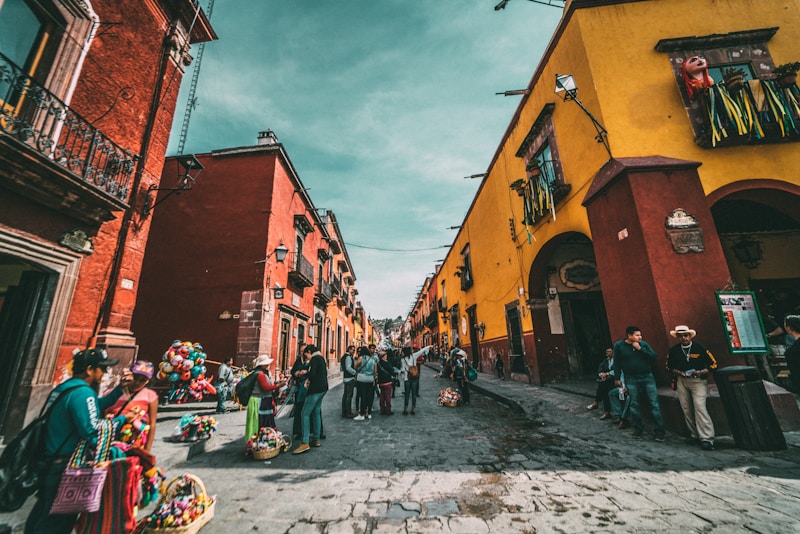
Mexico gives most passports 180 days on arrival, no application needed. Mexico City is massive, affordable, and has the best food culture of any nomad city.
- Visa: 180 days tourist stamp on arrival (renewable via border hop)
- Coworking: 60-100 EUR/month at WeWork, Homie, or Centraal
- Internet: 100-500 Mbps fiber, widely available
- Rent: 600-1,000 EUR in Roma, Condesa, or Polanco
- Community: Growing fast — weekly nomad meetups, strong expat scene
Roma and Condesa are the nomad centers: walkable, cafe-dense, leafy streets. The food is the best on this list — from 2 USD street tacos to Michelin-starred tasting menus. Spanish is helpful but not required.
**Best neighborhoods:** Roma Norte (trendy, expensive), Condesa (leafy, laid-back), Escandon (emerging, cheaper).
5. Chiang Mai, Thailand — The original 1,000 USD/month nomad budget city
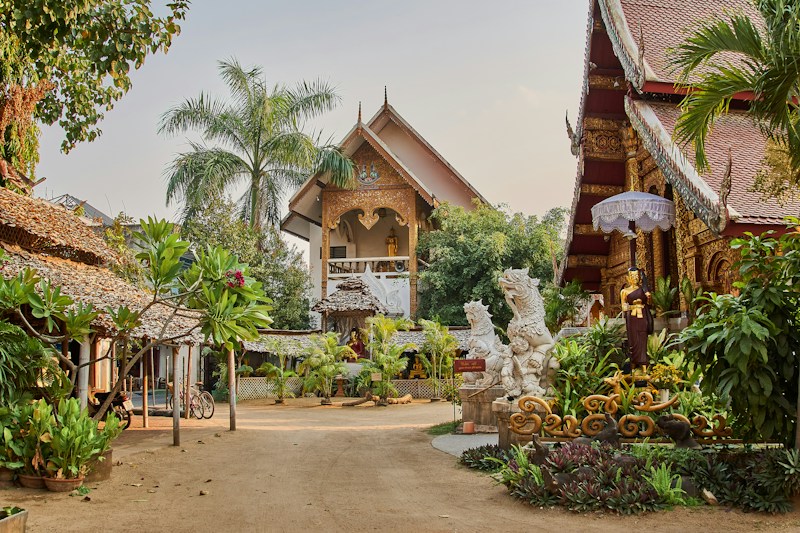
Thailand's Long-Term Resident (LTR) Visa and the Smart Visa give nomads legal status. Chiang Mai is the cheapest city on this list where you still get reliable infrastructure.
- Visa: LTR (1,500 USD/year, requires 80k income or 250k investment) or Education Visa
- Coworking: 40-80 EUR/month at Punspace, Yellow, or CAMP
- Internet: 100-300 Mbps fiber, 15 EUR/month
- Rent: 200-400 EUR for one-bedrooms in Nimman or the Old City
- Community: One of the oldest and largest nomad communities in Asia
Chiang Mai is where the 1,000 USD/month digital nomad budget was invented. It is still possible, though inflation has pushed it closer to 1,200-1,500 USD. The city has hundreds of cafes, dozens of coworking spaces, and a massive nomad support network.
**Best coworking:** Punspace (two locations, quiet, fast internet), Yellow (social, events).
6. Budapest, Hungary — White Card visa + Central Europe's best value
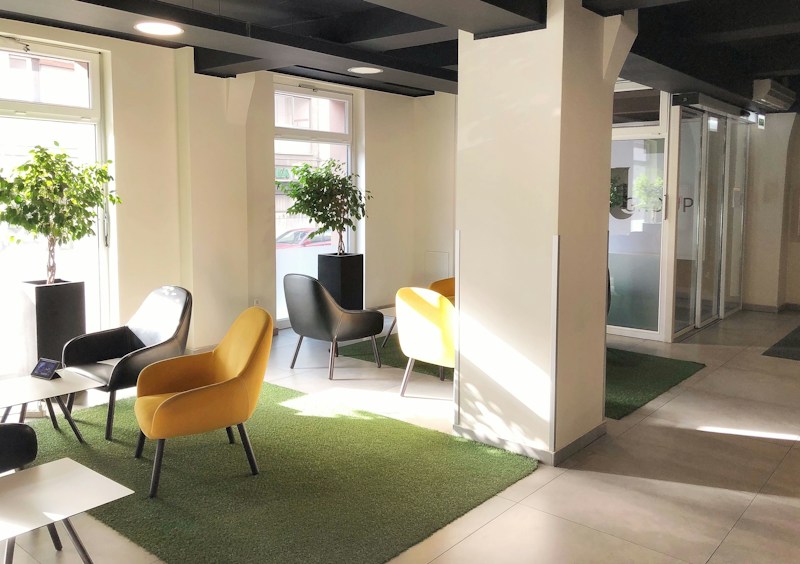
Hungary's White Card (Digital Nomad Visa) lets you stay one year with proof of 2,000 EUR/month income. Budapest offers Western European infrastructure at Eastern European prices.
- White Card: 110 EUR application, 1-year validity, renewable once
- Coworking: 70-120 EUR/month at KAPTAR, LOFFICE, or Impact Hub
- Internet: 100-1,000 Mbps fiber, 15 EUR/month
- Rent: 500-800 EUR for central one-bedrooms in Districts V, VI, or VII
- Community: Active — nomad meetups, language exchanges, ruin pub culture
Budapest is beautiful, cheap, and well-connected. The thermal baths are a genuine quality-of-life upgrade. Winter is cold but manageable. The city has excellent public transport and a growing English-speaking community.
**Best neighborhoods:** District VI (Andrassy Avenue, upscale), District VII (ruin pubs, young), District IX (emerging, cheaper).
7. Taipei, Taiwan — Gold Card visa + the world's fastest average internet

Taiwan's Gold Card (Employment Gold Card) gives nomads open work rights and a 3-year renewable visa with proof of skill in targeted industries or a minimum salary threshold. Taipei is the most underrated nomad city in Asia.
- Gold Card: 100-300 USD application, 3 years, open work rights
- Coworking: 80-150 EUR/month at CLBC, FutureWard, or The Hive
- Internet: 500+ Mbps fiber is standard; Taipei has among the world's fastest average speeds
- Rent: 600-1,000 EUR for one-bedrooms in Daan or Xinyi
- Community: Smaller than Bali or Lisbon, but tight-knit and growing
Taipei is safe, clean, efficient, and surprisingly affordable for the quality you get. The food scene rivals any city in Asia. The only downside: Chinese language barrier can be real outside expat areas.
**Best neighborhoods:** Daan (central, green), Xinyi (business district, modern), Zhongshan (trendy, nightlife).
8. Cape Town, South Africa — New remote work visa + mountain-to-ocean lifestyle
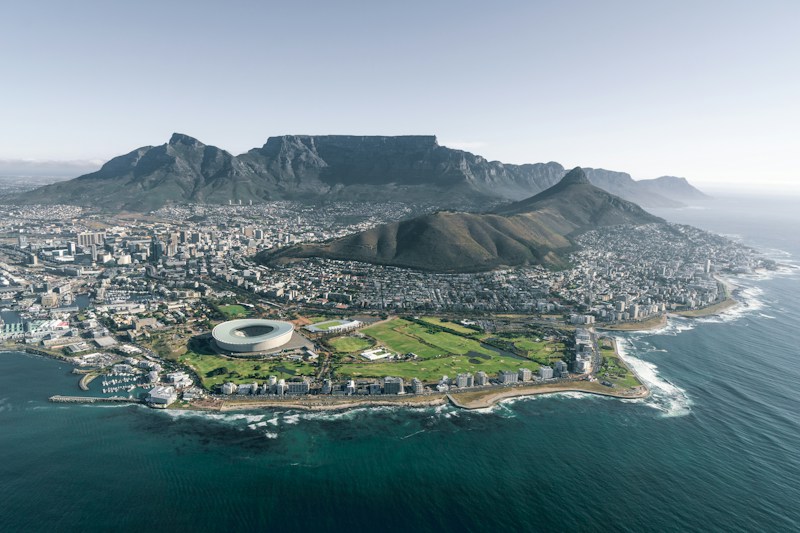
South Africa launched a Remote Work Visa in 2024 that lets nomads stay up to 3 years with proof of 3,000 USD/month income from a foreign employer. Cape Town is the most scenic city on this list.
- Remote Work Visa: ~150 USD application, 3-year validity
- Coworking: 60-100 EUR/month at Workshop17, Cape Town Office, or NeverAtHome
- Internet: 50-200 Mbps fiber, expanding rapidly
- Rent: 500-900 EUR for one-bedrooms in Sea Point or Green Point
- Community: Growing — Cape Town is actively marketing itself as a nomad hub
Cape Town has Table Mountain on one side and the Atlantic on the other. The wine regions are an hour away. The downside: load shedding (power cuts) still happens, though it is improving. You need a car or Uber to get around.
**Best neighborhoods:** Sea Point (walkable, beach), Green Point (central, safe), Observatory (young, cheaper).
9. Barcelona, Spain — Digital Nomad Visa + Mediterranean lifestyle
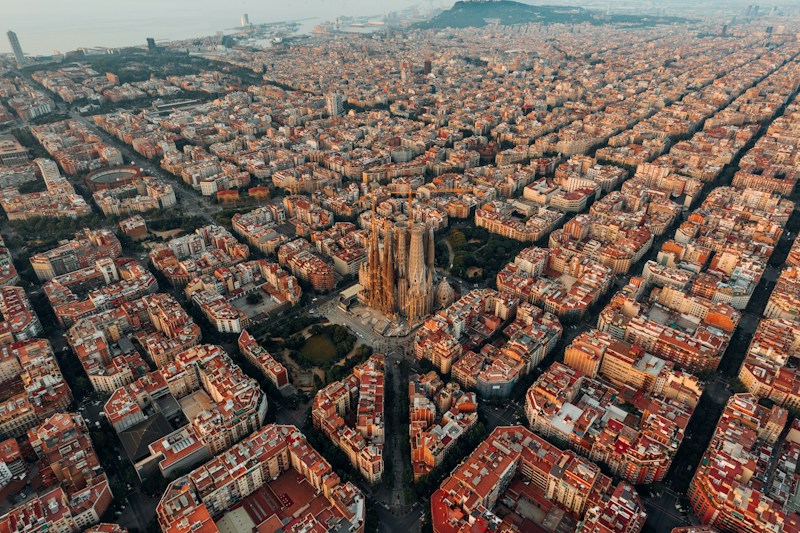
Spain's Digital Nomad Visa (part of the Startup Act) lets you stay up to 3 years with proof of 2,000 EUR/month income. Barcelona combines Mediterranean weather with real European infrastructure.
- Digital Nomad Visa: 80 EUR application, 1-year initial, renewable up to 3 years
- Coworking: 100-180 EUR/month at Spaces, WeWork, or MOB (Makers of Barcelona)
- Internet: 100-1,000 Mbps fiber, 30 EUR/month
- Rent: 800-1,400 EUR for one-bedrooms in Eixample or Gracia
- Community: Large — Barcelona has been a nomad hub for years
Barcelona has everything: beaches, mountains, architecture, food, nightlife. The cost has risen significantly, which is why it is ranked lower. But if you can afford it, the lifestyle is hard to beat. Catalan vs Spanish politics are irrelevant to nomads.
**Best neighborhoods:** Gracia (village feel, local), Eixample (central, grid layout), Poblenou (tech hub, beachside).
10. Buenos Aires, Argentina — Blue dollar arbitrage + steak for 5 USD
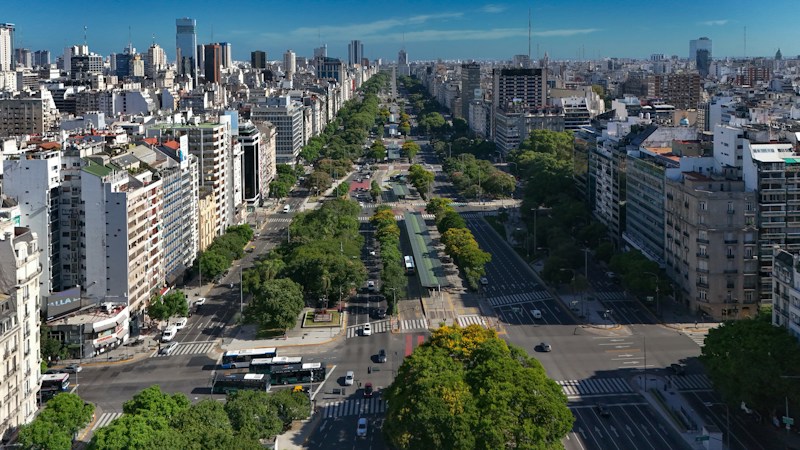
Argentina offers a 90-day tourist visa (extendable to 180 days) and has no enforcement against remote workers staying longer. Buenos Aires is the cheapest city on this list when you use the informal blue dollar exchange rate.
- Visa: 90 days on arrival, extendable at Migraciones office
- Coworking: 30-60 EUR/month at La Maquinita, AreaTres, or WeWork
- Internet: 50-300 Mbps fiber, widely available in Palermo
- Rent: 300-600 EUR for one-bedrooms in Palermo or San Telmo (blue dollar rate)
- Community: Large — Buenos Aires has been a nomad hub since 2010
The blue dollar arbitrage means your foreign income stretches 2x further. A steak dinner is 5 USD. A bottle of Malbec is 3 USD. The city has European architecture, late-night culture, and the best steak on earth. Inflation is high, but as a dollar-earner, you win.
**Best neighborhoods:** Palermo (nomad center, cafes), San Telmo (tango, cheaper), Belgrano (leafy, residential).
Final Thoughts
The best nomad city depends on your priorities: Lisbon for European stability, Medellin for cost-to-quality ratio, Bali for community, Mexico City for food, Buenos Aires for arbitrage. None of these are secrets anymore — but they all still deliver real value if you go in with accurate expectations.
What unites them is this: each has a clear legal path to stay, infrastructure that supports remote work, and a community of people doing the same thing. That is the trifecta. Everything else is just preference.